
From the outside, things can look pretty well put together. You might see a successful builder, a growing business and someone who seems to have it all under control. But what you don't always see is what's going on behind the scenes.
Around 12 years ago, I was diagnosed with an anxiety disorder. About five years ago, I was also diagnosed with ADHD. I've been seeing the same psychologist for 12 years, and more recently, receiving an ADHD diagnosis and starting medication have been some of the most positive changes I've made, both for my family and my business.
I'm sharing this not for recognition, but because I think it's important to be honest about mental health, particularly in the construction industry.
Health and safety goes beyond the physical
Construction has a strong focus on physical safety, and rightly so. But health and safety also needs to include the mental health and wellbeing of the people doing the work.
Running a building business comes with plenty of pressure. There are projects to deliver, clients to manage, teams to support and a business to keep running. It's not always easy to switch off.
For many people in the industry, talking about anxiety or other mental health challenges can feel difficult. There's a perception that we need to keep pushing through, stay on top of everything and have all the answers.
But looking like you've got it together doesn't necessarily mean you do.
I've spent more than a decade working through my own challenges, and I've learnt that getting support isn't a weakness. It's an important part of looking after yourself and the people around you.
As builders and business owners, we also have a responsibility to create workplaces where people feel supported. So, how do we recognise when someone might be struggling, and what can we do to help?
Looking out for your team
When you're working closely with your team, you might notice when something seems different. But knowing how to respond isn't always straightforward.
There's no single way that mental health challenges show up. However, changes in behaviour can sometimes be a sign that someone needs support. You might notice a normally reliable team member becoming withdrawn, irritable, struggling to concentrate, making more mistakes or seeming overwhelmed by their workload.
These changes don't necessarily mean someone is experiencing a mental health condition. But it is an opportunity to check in and to talk.
Start with a conversation
You don't need to be a mental health expert to support someone. Often, the best first step is a simple conversation.
- Choose the right time and place. Find somewhere private where you won't be interrupted, rather than raising concerns in front of the crew.
- Ask an open question. Try something like, "I've noticed you haven't seemed quite yourself lately. How are things going?"
- Listen without judgement. Give them time to respond. You don't need to have all the answers or immediately try to fix the problem.
- Ask what would help. They may want someone to listen, help prioritise their workload or connect them with professional support.
Avoid making assumptions or pressuring someone to disclose personal information. If they're not ready to talk, let them know you're available if things change.
The aim isn't to become their counsellor. It's to make it easier for someone to speak up and help them find the right support when they need it.
Creating a workplace where people feel supported
Supporting someone's mental health isn't only about recognising when they're struggling. It's also about looking at the conditions they're working in.
Construction can involve tight deadlines, long hours, unpredictable workloads and financial pressure. When these pressures aren't managed well, they can contribute to stress and psychological harm.
There are practical steps you as a builder can take to reduce these risks:
- Manage workloads and hours. Plan projects realistically, monitor overtime and make time for breaks and recovery.
- Set clear expectations. Make sure team members understand their responsibilities and have the training, equipment and support they need.
- Build a respectful culture. Make it clear that bullying, harassment and humiliating behaviour aren't acceptable, regardless of someone's role or seniority.
- Make check-ins routine. Regular conversations about workload, safety and how people are travelling can help identify issues before they escalate.
- Know where to find support. Learn what mental health services are available and designed for construction workers.
These aren't just good management practices. Identifying and managing psychosocial hazards is also an important part of workplace health and safety.
Individual support and prevention need to go hand in hand. Providing access to support services is valuable, but it doesn't replace the need to address workplace conditions that may be contributing to psychological harm.
Starting the conversation
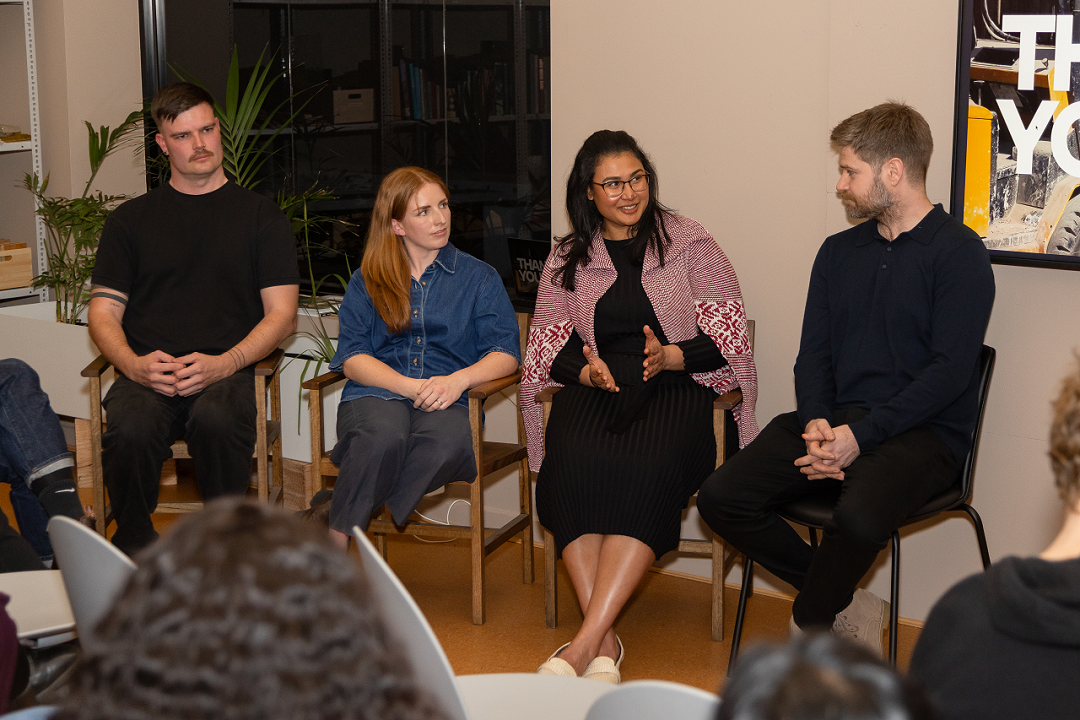
One of the reasons I originally started the Mindful Builder podcast with Matt Carland was to create space for conversations about mental health and wellbeing in construction. We've covered these topics across a number of episodes because we know how relevant they are to people working in the industry.
Opening up about my own experience is another way to help make these conversations more normal.
That doesn't mean everyone needs to share their personal experiences publicly. But it does mean creating an industry where people feel comfortable asking for help, talking to someone they trust and accessing professional support when they need it.
October is an opportunity to put health and safety front of mind across the construction industry. Alongside conversations about site safety, equipment and safe working practices, let's make room for mental health and wellbeing, too.
If you're struggling with anxiety, ADHD or something else, you don't have to work through it alone. Reaching out to a qualified health professional can make a real difference. And if someone around you seems to be having a tough time, don't underestimate the value of checking in and listening without judgement.
I'm sharing my experience because I hope it encourages someone else to start a conversation of their own.
A safer construction industry is one where we look out for each other, take mental health seriously and make asking for help part of the culture.
Support and resources
- HazardCo - How to build a mentally healthy worksite guide
- MATES in Construction – mental health and suicide prevention support designed for the construction industry.
- Safe Work Australia – guidance on psychosocial hazards and mental health at work.