
Carbon analysis can make sustainability look simple: every product gets a number, and the lowest number wins.
In reality, materials are far more interesting than that.
A carbon figure is useful, but it does not always capture every benefit a material may bring to a project. This is especially relevant for products containing recovered timber fibre, hemp-derived cellulose and other plant-based materials.
As plants grow, they absorb carbon dioxide from the atmosphere. Some of that carbon remains stored in the plant material. When timber fibre or cellulose is recovered and locked into a long-lasting building product, that biogenic carbon can remain stored for the life of the product.
Depending on the assessment method, this benefit may be included, reported separately or left out of the headline figure. That does not necessarily make the analysis wrong, but it does mean the number needs context. Specifiers should ask what has been counted before comparing one product with another.
The same applies to third-party verification.
Independent assessment is valuable, but it does not always involve someone visiting the factory, observing production and measuring every input firsthand. Many assessments are based on information such as energy bills, production records, supplier data and computer modelling.
The verifier checks whether the information and methodology are reasonable and consistent, but the result still depends on the quality and completeness of the original data. A verified number is useful, but it should not be treated as the end of the conversation.
Then there is the carbon created through poor planning.
By the time building products reach site, materials have already been sourced, processed, manufactured, packed and transported. If these products are unnecessarily cut, rejected or thrown into a skip, those resources have been used without contributing to the finished building.
A skip full of offcuts is not simply waste. It represents materials, energy, transport, time and money going nowhere.
This is why sustainable stewardship begins long before materials arrive on site. Product dimensions, installation patterns, opening sizes, returns and junctions should all be considered during design. When the architecture works with the product modules, there is less cutting, fewer awkward details and a cleaner finished result.
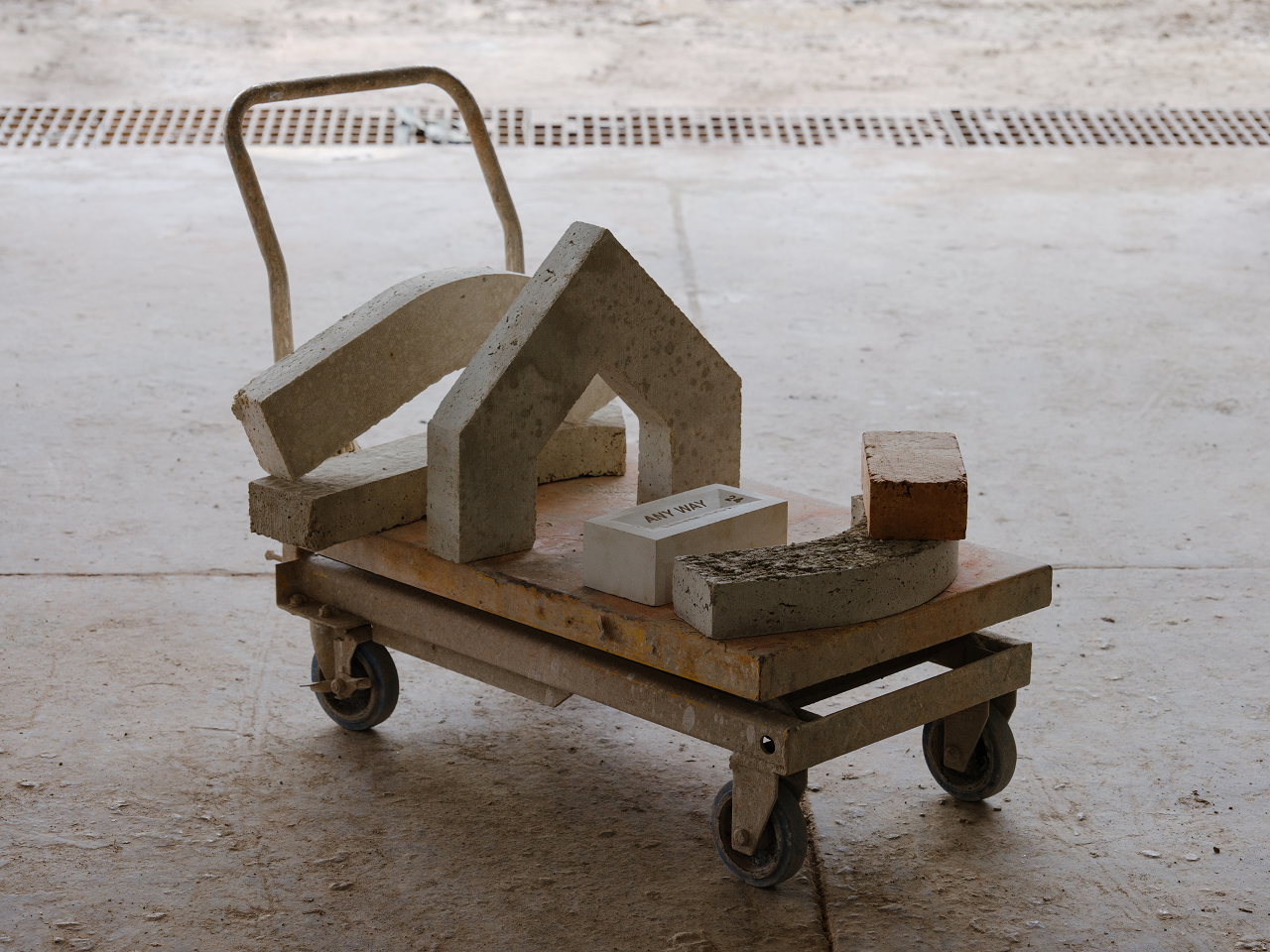
At Natural Brick, we work with architects and builders early in the process to plan masonry more carefully. Through detailed take-offs, module planning and custom-formed bricks designed around specific project details, we can help reduce unnecessary cutting and make installation more efficient.
Bricks also need to be understood through the lens of longevity. A durable masonry product that remains in service for decades, or even generations, can deliver a more sustainable outcome than a lower-impact product with a shorter service life. When bricks are well detailed, carefully installed and maintained, their embodied carbon is spread across a long lifespan, reducing the need for replacement, repair and additional material consumption.
In this sense, durability is not separate from sustainability. It is one of its most important measures.
Reducing embodied carbon is not simply about finding the product with the smallest number. It is about understanding the material, asking better questions and designing out waste before the first pallet arrives on site.