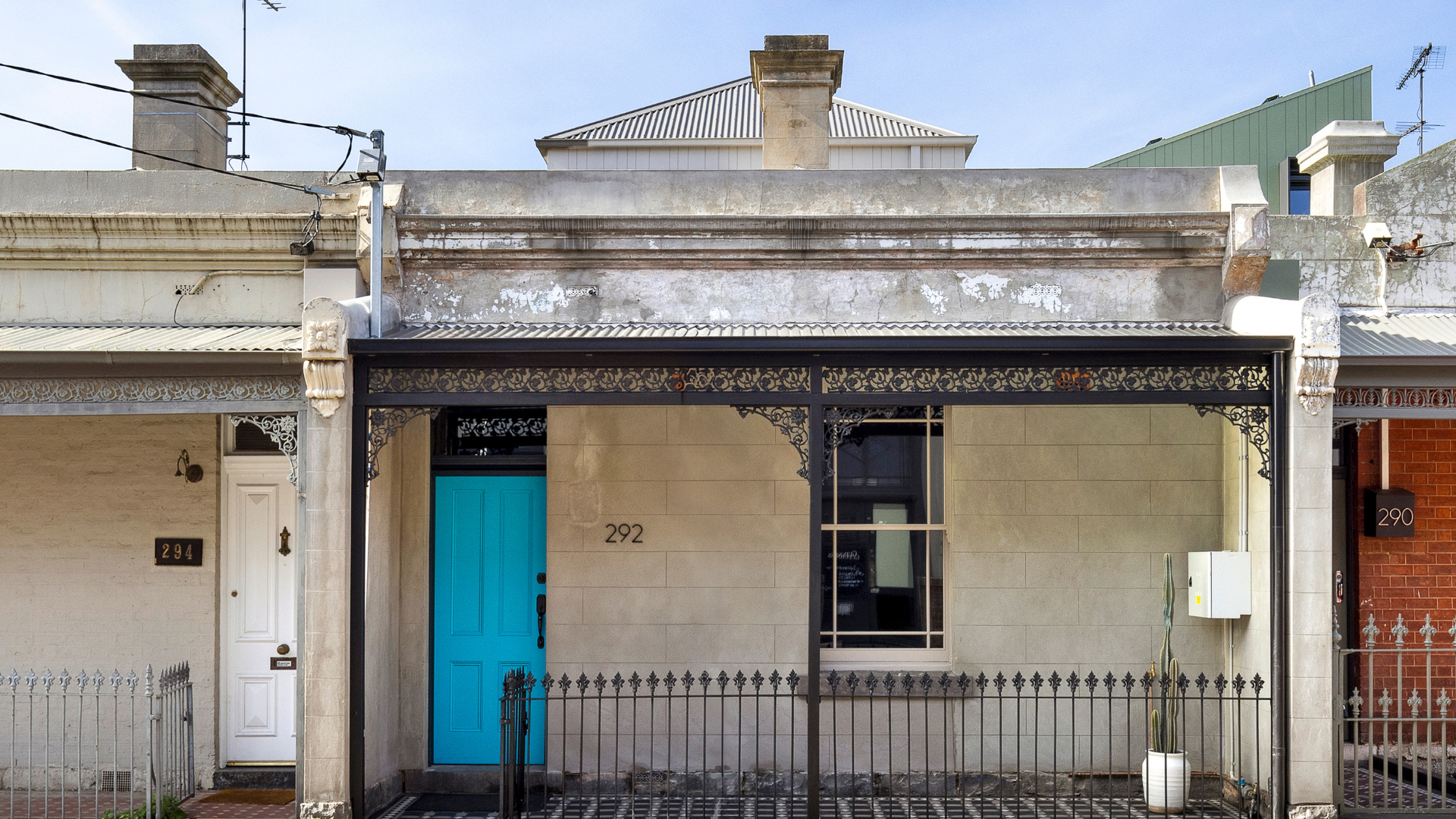

Two Victorian terraces. Built in 1874. Sitting derelict in inner-city Fitzroy, one of them for over 35 years.
Today, both homes are operationally carbon negative. Together they offset the equivalent CO₂ emissions of five cars every year.
That outcome wasn’t achieved through a single product or a quick upgrade. It was the result of a whole-of-system retrofit strategy, one that treated the building as an integrated system and refused to let heritage constraints become an excuse for underperformance.
For builders and designers working in this space, this project is worth understanding in detail. Not because it’s exceptional, but because it shows what is achievable when the right approach is applied.
The Project in Numbers
Two terraces. Two different outcomes at the margins. Both high-performing.
- Terrace 1: upgraded from below 2 stars to 7 stars NatHERS, with a Whole of Home assessment score of 120/150. Fitted with a 7kW solar system.
- Terrace 2: upgraded from below 2 stars to 8 stars NatHERS, with a Whole of Home score of 102/150. Fitted with a 5kW solar system.
- Both homes: now operationally carbon negative, offsetting the equivalent of five cars’ annual CO₂ emissions combined.
The brief was straightforward: create two family homes, restore the heritage features, improve energy performance, and deliver a future-focused outcome without compromising the character of the homes. What’s instructive is how that brief was executed.
1. A Whole-of-System Approach Is Non-Negotiable
The most common mistake in retrofit is treating it as a checklist. Add insulation. Upgrade glazing. Swap out the heating system. Tick each box and call it done.
The problem is that isolated upgrades don’t compound the way system-level thinking does. When one element is improved without considering how it interacts with everything else, you can create new problems, moisture issues, thermal bridges, ventilation imbalances, that undermine the gains you’ve made.
In this project, performance was achieved through the interaction of:
- Continuous insulation across roof, walls, and floor
- A well-detailed airtight building envelope
- Controlled ventilation to manage air quality and moisture movement
- Solar generation sized to the load profile of each home
Each element was chosen and detailed in relation to the others. That’s the difference between a retrofit that achieves a star rating and one that delivers a genuinely high-performing home.
2. Heritage Constraints Require Strategy, Not Compromise
Heritage overlays are often cited as the reason a retrofit can’t achieve strong performance outcomes. That framing gets it wrong.
Heritage constraints don’t prevent high performance. They require more considered detailing to achieve it.
In Fitzroy, the project retained and restored:
- Original facade details and streetscape character
- Existing windows and structural features
- Traditional materials and finishes
At the same time, performance upgrades were threaded carefully through the building fabric. The team navigated common heritage retrofit challenges: existing structural movement, differing footing systems between old and new construction, and double brick walls with effectively zero insulation.
Each of these required specific detailing decisions, the kind of problem-solving quality, experienced retrofit builders understand. These aren’t insurmountable problems. They’re solvable ones, if you know what you’re looking at.
3. Building Fabric Is Where You Win or Lose
You cannot solar-panel your way out of a poorly insulated, leaky building envelope. The fabric comes first.
In both Fitzroy terraces, wall insulation was effectively zero at the start. Double brick construction provides some thermal mass, but without insulation it performs poorly in Melbourne’s climate, absorbing heat in summer, radiating it inside, and failing to retain warmth in winter.
The solution here was Knauf insulation-backed plasterboard, fixed to the internal face of the double brick walls. This is a practical and proven approach for heritage buildings where you cannot remove or significantly alter the existing wall structure. It adds insulation and a finished internal surface in a single system, without requiring a separate stud frame, keeping the loss of internal floor area to a minimum. For builders working in this space, it’s worth knowing: Knauf’s insulation-backed boards are available in different thicknesses, and the R-value you specify will depend on the wall’s existing thermal performance and the overall performance target for the building.
The upgrade approach involved:
- Improving double brick wall insulation from near zero to high-performance levels using Knauf insulation-backed plasterboard fixed to the internal face of the double brick walls
- Installing continuous insulation across all building elements to eliminate thermal bridging
- Achieving airtightness while maintaining vapour permeability, critical for avoiding long-term moisture issues in heritage wall systems
This last point matters more than it’s often given credit for. Airtightness without vapour management creates condensation risk. In heritage buildings with existing moisture pathways, getting the vapour diffusion profile right is a technical challenge that has to be worked through, not assumed.
The payoff: more stable internal temperatures, better indoor air quality, and occupant comfort that a star rating on its own doesn’t fully capture.
4. Embodied Carbon Matters as Much as Operational Carbon
The sustainability story of a retrofit isn’t just what the building uses once people are living in it. It’s also what went into building it.
The Fitzroy project made deliberate decisions on the materials side:
- Low-carbon concrete mixes were specified for structural work
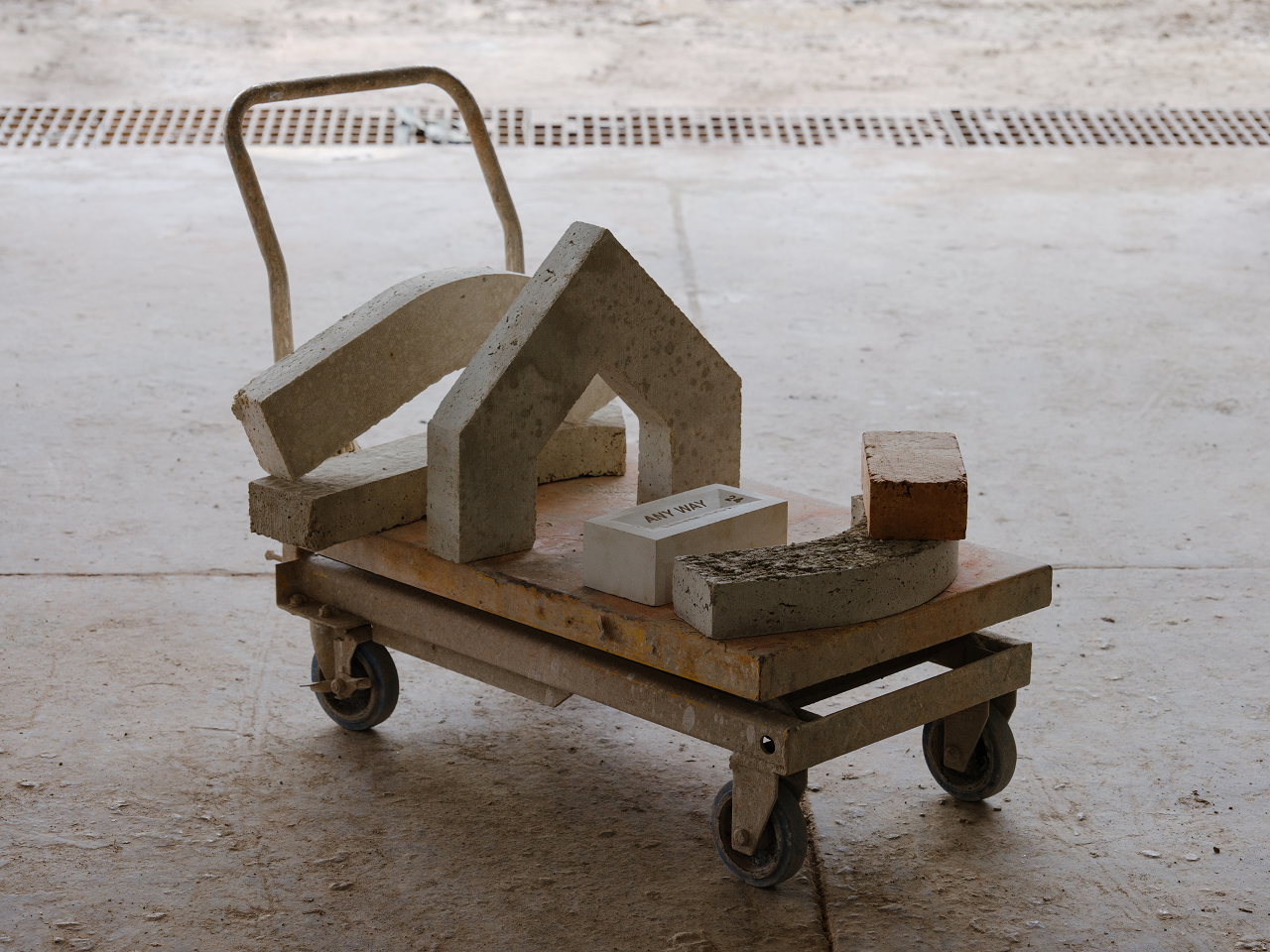
- Existing bricks were reclaimed and reused wherever possible
- Recycled and reclaimed materials were sourced to reduce reliance on virgin resource-intensive products
Reusing the existing building fabric, which is what retrofit fundamentally is, already has a significant embodied carbon advantage over demolition and rebuild. These additional material decisions compound that advantage.
The result is a significantly lower lifecycle carbon footprint than either a conventional new build or a surface-level cosmetic renovation would have achieved.
5. Old Homes Can Exceed New Build Performance
There is still a widely held assumption in parts of the industry that existing homes have a performance ceiling, that they can be improved, but not to new build standard.
The Fitzroy project challenges that directly.
Both terraces moved from below 2 stars to 7 and 8 stars respectively under NatHERS, with Whole of Home assessment scores of 120/150 and 102/150. These are not marginal improvements. They’re transformational outcomes.
The solar systems, 7kW on Terrace 1 and 5kW on Terrace 2, contribute to the carbon negative outcome, but they’re not the foundation of it. The foundation is the building fabric. The solar takes a well-performing building and pushes it past the zero line. Without the underlying fabric work, the same solar systems would still be fighting against the building’s thermal inefficiency.
Performance in retrofit is not constrained by age. It’s constrained by ambition and approach.
Practical Takeaways for Builders and Designers
If you’re working on heritage retrofit or want to build the capability to do so well, here’s what this project reinforces. These aren’t principles, they’re decisions with real products and real outcomes behind them:
- Start with a whole-of-home assessment. Understand what the building is actually doing thermally before you specify a single product. You cannot improve what you haven’t measured.
- For double brick heritage walls with no insulation, Knauf insulation-backed plasterboard fixed to the internal face is a practical solution. It delivers insulation and a finished surface in a single system, with minimal loss of internal floor area. Specify the right R-value for your performance target, it will vary by project.
- Design airtightness and moisture management together. When you add insulation to the internal face of a double brick wall, you change the dew point location within that wall assembly. If you don’t account for vapour diffusion, you risk interstitial condensation over time. Get the hygrothermal analysis done before you build.
- Know your wall construction type before design begins. Double brick, cavity brick, and timber-framed heritage walls each have different insulation options, different airtightness challenges, and different risks. The detailing decisions you make for one don’t automatically transfer to another.
- Account for embodied carbon in your material specification. Reclaim and reuse before you buy new. Low-carbon concrete mixes exist and should be specified by default on retrofit projects, not as an upgrade. The embodied carbon savings from reusing the existing structure are significant, but they can be undermined by the materials choices in the new work.
- Size your solar to the building’s actual load profile after the fabric upgrades, not before. In Fitzroy, a 5kW system on Terrace 2 was enough to push a well-performing building past the carbon neutral line. That same system on a leaky, poorly insulated building wouldn’t get close. Get the fabric right first, then size the solar.
Heritage Retrofit and the Net Zero Transition
Melbourne and other Australian cities have a significant stock of heritage and pre-1990s housing. A large proportion of it performs poorly. Demolishing and rebuilding is not always feasible, not always appropriate, and not always the most carbon-efficient option.
Retrofit, done properly, at depth, is one of the most effective pathways available for reducing emissions from the existing housing stock. Projects like Fitzroy show that:
- Deep retrofit can deliver carbon negative outcomes from buildings that were functionally derelict
- Heritage overlay is not a barrier to high performance when the right skills are applied
- The existing housing stock is part of the solution, not just the problem
For the building industry, this is where a significant part of the work is. Not just new builds designed to the latest code. Existing homes, brought up to a standard they were never designed to meet.
The builders and designers who develop the skills to do this well are the ones who will be most relevant as the transition accelerates.
Final Thought
Two homes. Built 150 years ago. Now carbon negative.
That outcome didn’t happen because of any single product or technology. It happened because every decision, from the concrete mix to the solar system size to the way the insulation was detailed at the wall junction, was made as part of a coherent strategy.
That’s what high-performance retrofit looks like. And it’s a skill set the industry needs more of.